scroll
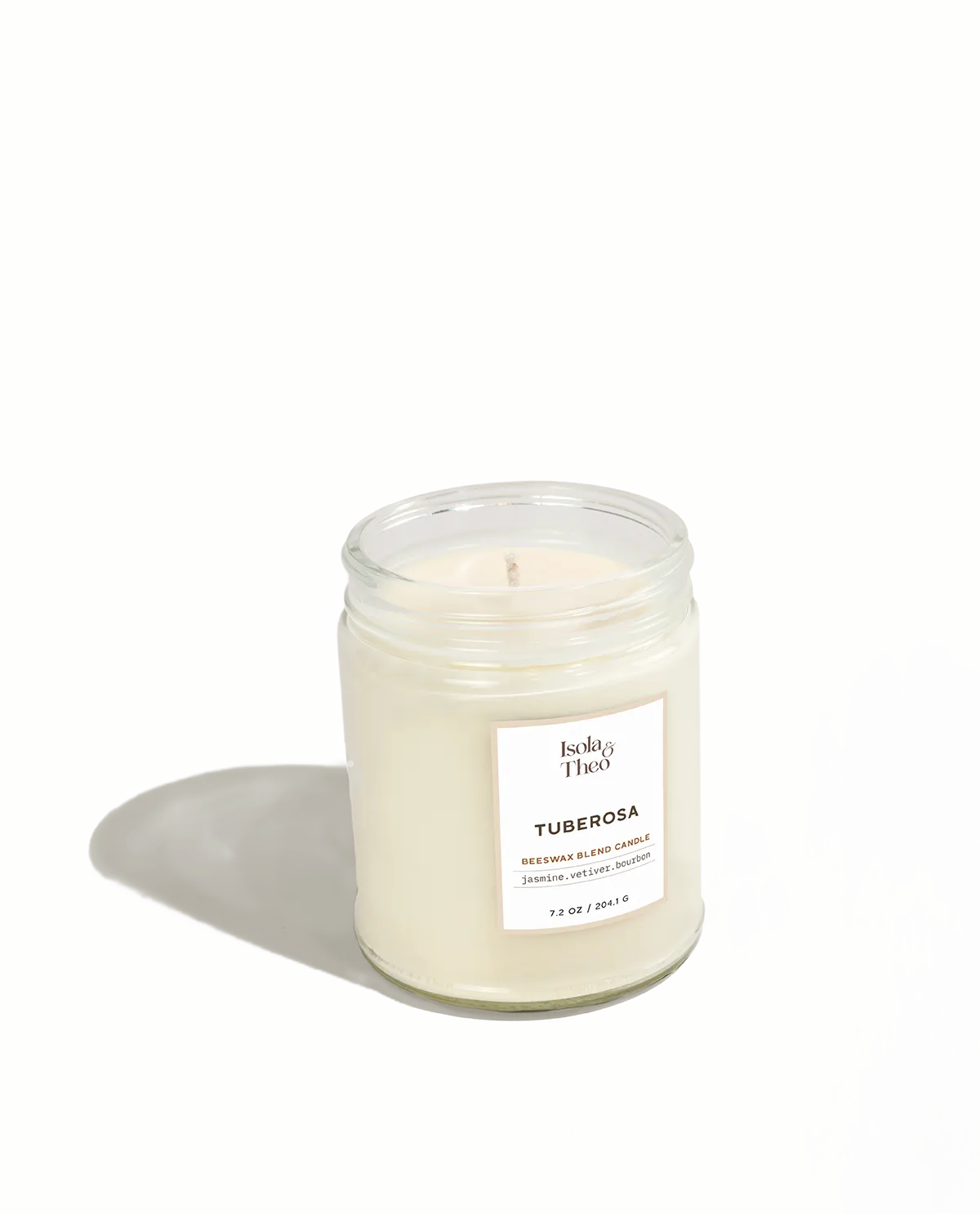
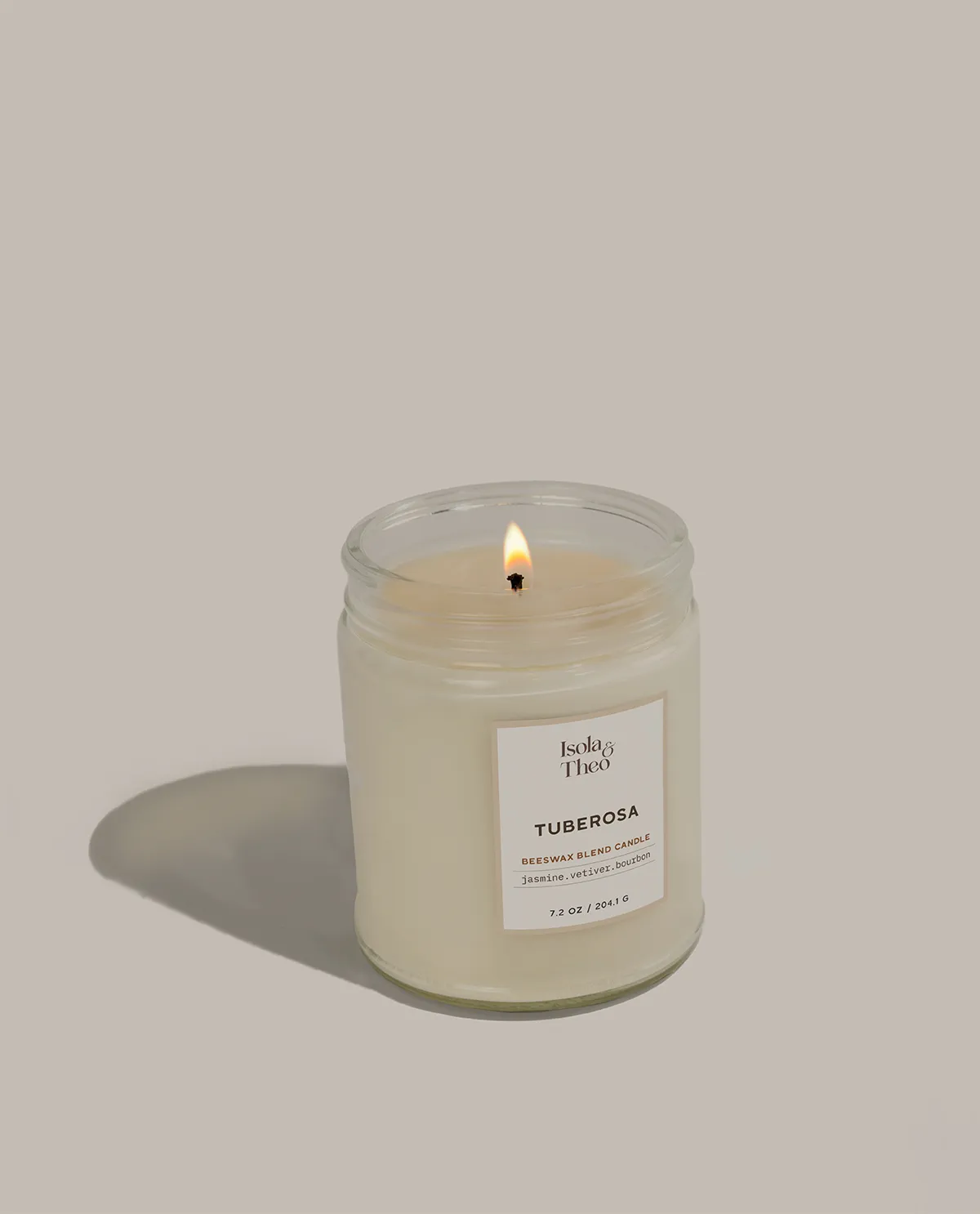
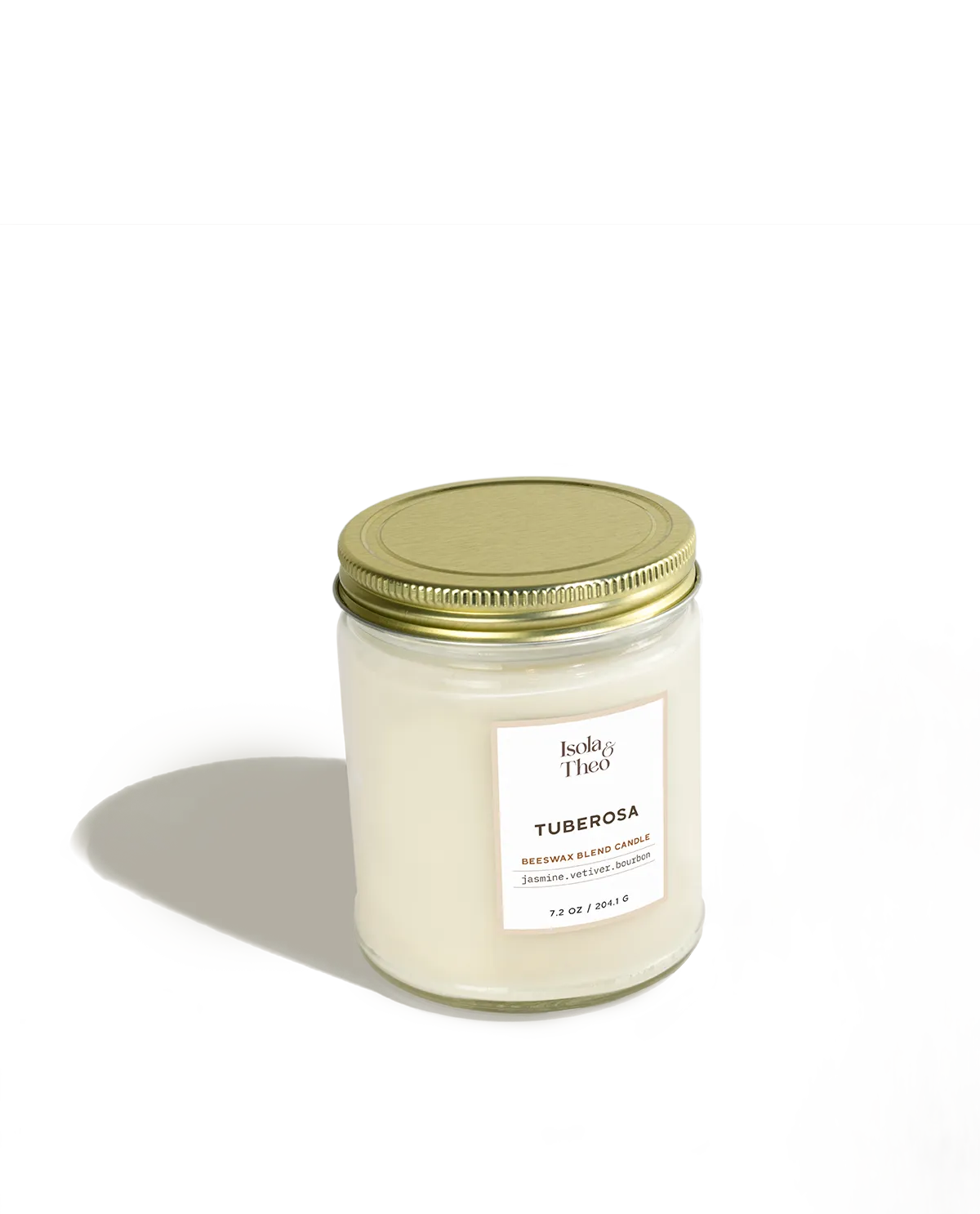
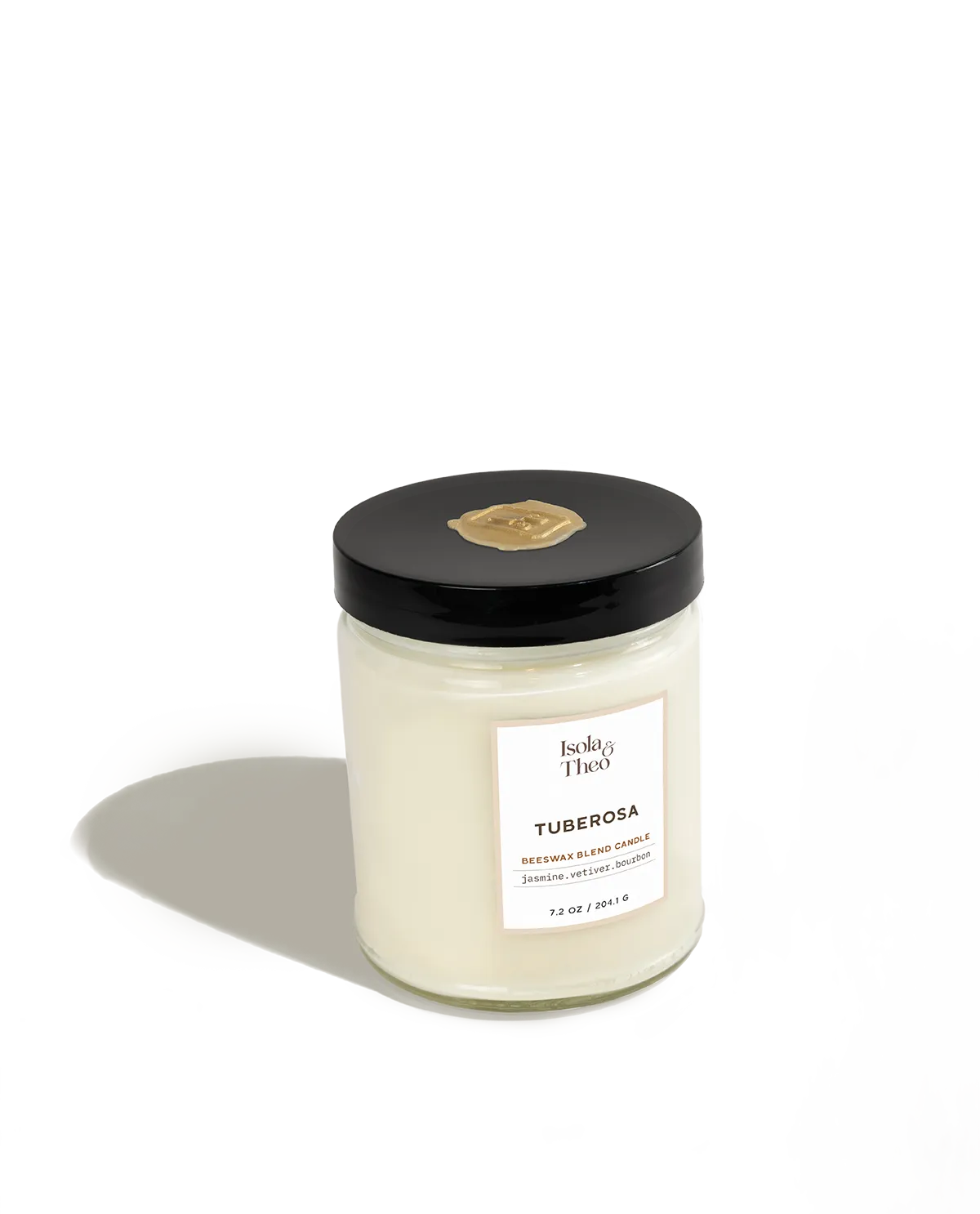
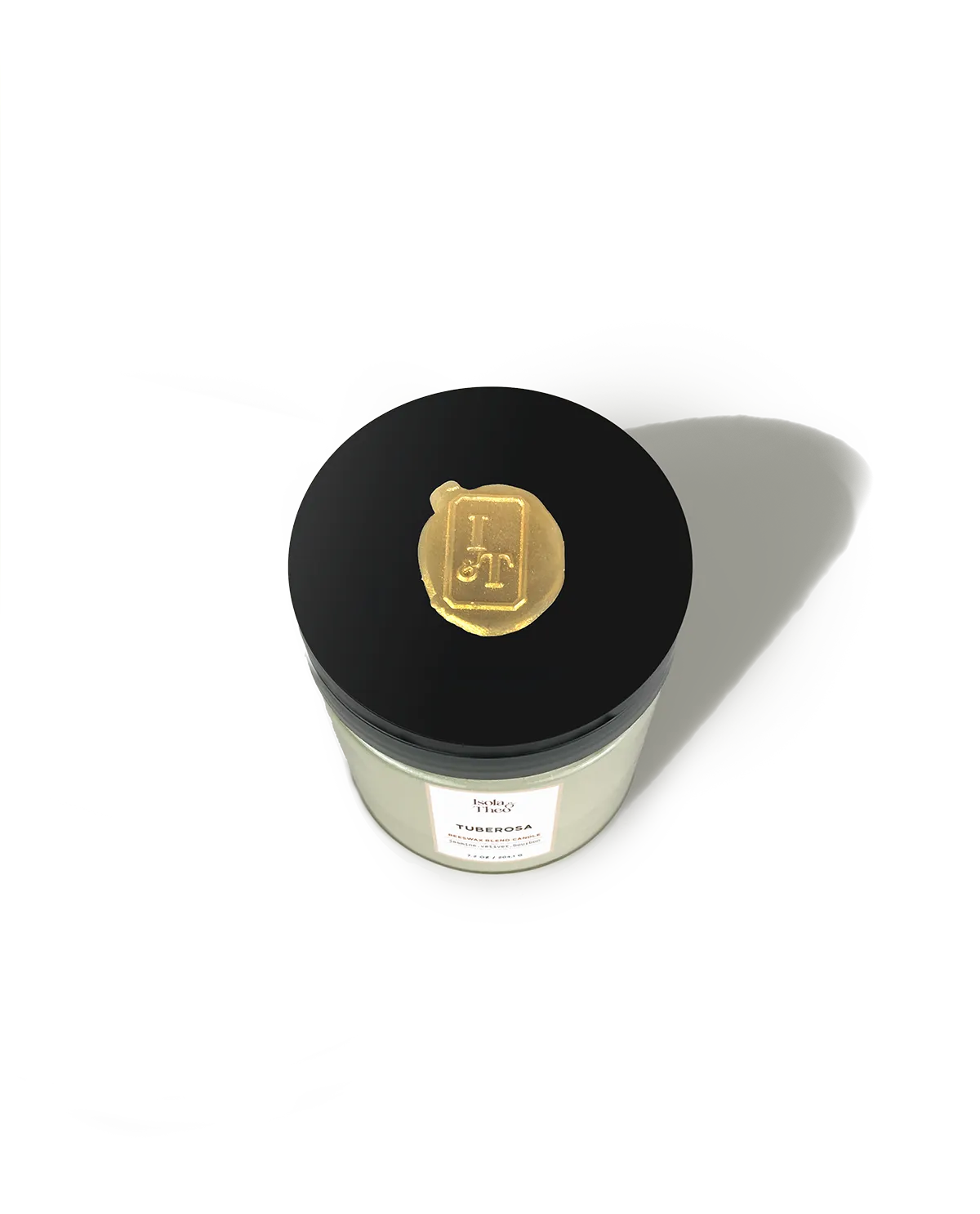
Tuberosa
Classic Candle
Home fragrance
$28
Floral / Gourmand
Radiant in moonlight, white florals of jasmine, tuberose and lily of the valley glow under the waxing moon. Trees of bitter orange, lemons and pear dance as if on the tongue in a complex fruity bouquet. Smooth and velvety, textured and a touch of sweet with bourbon, cardamom and sweet hay balance the exuberance of…
Notes: Top: citrus peel | Heart: tuberose, pear, ylang ylang | Base: vanilla, vetiver, hay
7.2 oz / 204.1 g
5 in stock
Keep away from drafts or leave unattended. Keep away from children and pets.
Do not burn candles while cleaning. Kitchen sprays may contain volatile and flammable compounds. Even some essential oil cleaners contain solvents and preservatives that are flammable.
Details
Impact Brief
Lifespan
Formulation
Moon Gardens Night Visitors
Hanging juicy pear, sweet hay and scented geranium kiss autumn’s evening sun as it begins its descent. Sensing the fading light, white florals of jasmine, tuberose and ylang ylang begin their mating dance with night time pollinators. Opening their blossoms, the exotic profusion of their entrancing scent floats and envelopes the denser air. Ground beetles and lepidoptera begin their journey towards delicate white frocks that glisten and gleam as if lit from within.
A hummingbird? No, slightly smaller. A nightly creature; flittering, darting quickly from flower to flower — ever so visible as sunlight fades. Seeking nectar with its proboscis, the hawk moth in its nightly feeding mirrors the same flowers as the hummingbird by day. One beloved and nurtered; the other mysterious, rarely seen and underappreciated. These nightly creatures surpass both hummingbirds and bats in beats per minute and distance traveled. Migratory, built like a fighter pilot and feeding on many species, these generalists are highly effective pollinators surpassing our daytime bees. They are crucial pollinating creatures for biodiversity. If only just adding a touch of sweetness to the landscape for our human senses, feeding these lovely creatures ensures their survival. To see them is magic, to protect them is essential.
Details
Light for 3-4 hours on the first burn. Beeswax burns more slowly and will not show a full melt pool as softer wax does. Wax “hang up” on the glass for the first few lights is expected and formulated with this in mind. Subsequent burns will catch up. This ensures less sooting, wild flame or hot glass when oxygen decreases lower in the jar. Max burn 3-4 hours at a time for a healthy burn.
Trim wick between burns when candle is solid.
Keep wax as clean as possible which ensures a clean burn for health.
1/4 rule: Trim wick 1/4” before lighting. When 1/4” of wax remains in the jar, extinguish the flame. Remaining wax can be used as wax melts or discarded.
Impact Brief – Material Transparency
Cotton wicks
Traditional for a reason. Renewable and biodegradable, our rigid, cotton and paper fiber twisted wicks are reliable and beautifully simplistic. This woven paper core provides a strong capillary pull for scent projection, consistent flame with less sooting and mushrooming over time.
All Wax
While we’d love to tout “all-natural” as many love to claim, with all waxes there is energy and resources used to produce a final product. Gas is used to till, harvest and transport. Solvents and large amounts of water are used for every plant-based wax.
Beeswax
Pure beeswax is all-natural and closest to the finished form than any other wax. We use pure triple filtered beeswax, that has not be chemically altered and comes from pesticide-free coop farms in the US. It is not imported where it is often bleached or mixed with paraffin to dilute and lessen the cost.
Soy
We use a 100% soy product, free from hardeners or other cosmetic additives to aid in a smooth appearance. It is considered a safe, clean burning wax where solvents are not used to process this material.
Coconut Oil
Unrefined coconut is used to maintain a balanced melting point and aid in scent projection. It is considered a safe, clean burning wax and has not gone through any solvent based extractions.
The Vegan Concern
Ask any small apiarist (beekeeper) and they love to tell you just how much they “love their girls”. As with any source of harvesting, knowing first and foremost that plants or animal products are sourced responsibly is of the utmost importance. Beeswax is also the healthiest wax because the chemical structure is not altered. The footprint of beekeeping farms compared to monoculture farms do not hold a candle to the impact bees have or require. The greatest threat is that of habitat loss and the decline in insects of all kinds. The truth is, without pollinators (and we’re very partial to the native bees at Satis Garden), we would not have food without them. From the daytime pollinators too many to name, to our precious nighttime moths and beetles which generally go unappreciated, they are vastly important to the collective food chain and it must hold the line. If honey bees, (which are not native), remain the darlings for all pollinators to raise awareness and promote research, we are wholly behind them and those that care for them. Supporting small businesses that care about their bees and harvest humanely as ours do, does far more to promote the cause than striking them out entirely. It is a conscious choice. Delicately, we would like to point out that by getting around not using animal products, vegan marketed products often swing in the other direction entirely, where biodegradability is not considered and do more harm to our ecosystem. It is why this section is so important. Every ingredient must be weighed. Reducing pesticides, supporting native, keystone species to encourage rewilding our yards and buying only what you need are ways everyone can make an active impact.
Lifespan
Average 50 burn hours
Formulation
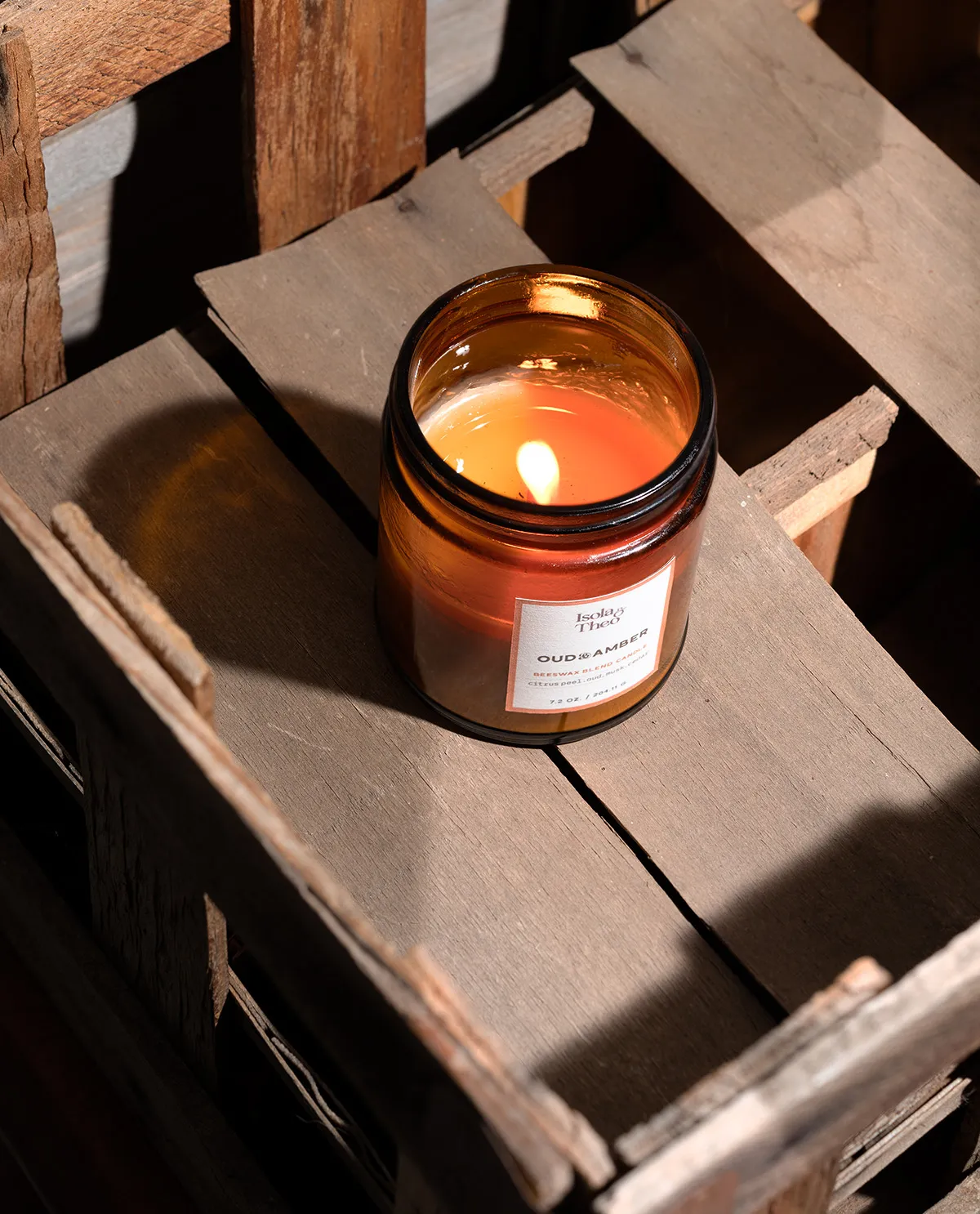
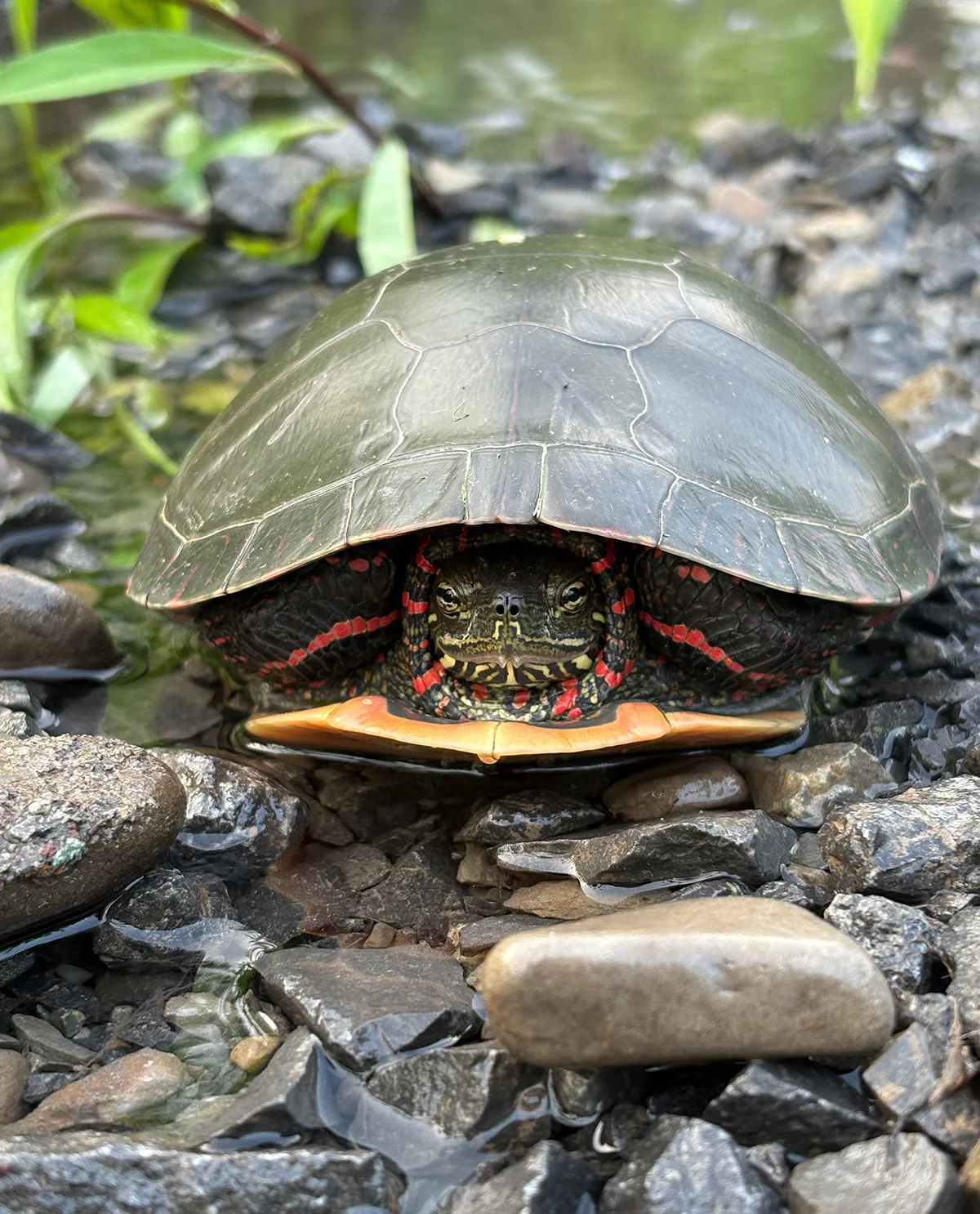
Nature first approach
It’s quite simple, if an ingredient is healthy for the environment chances are it’s good for us.
MUSE Curated Picks