
scroll
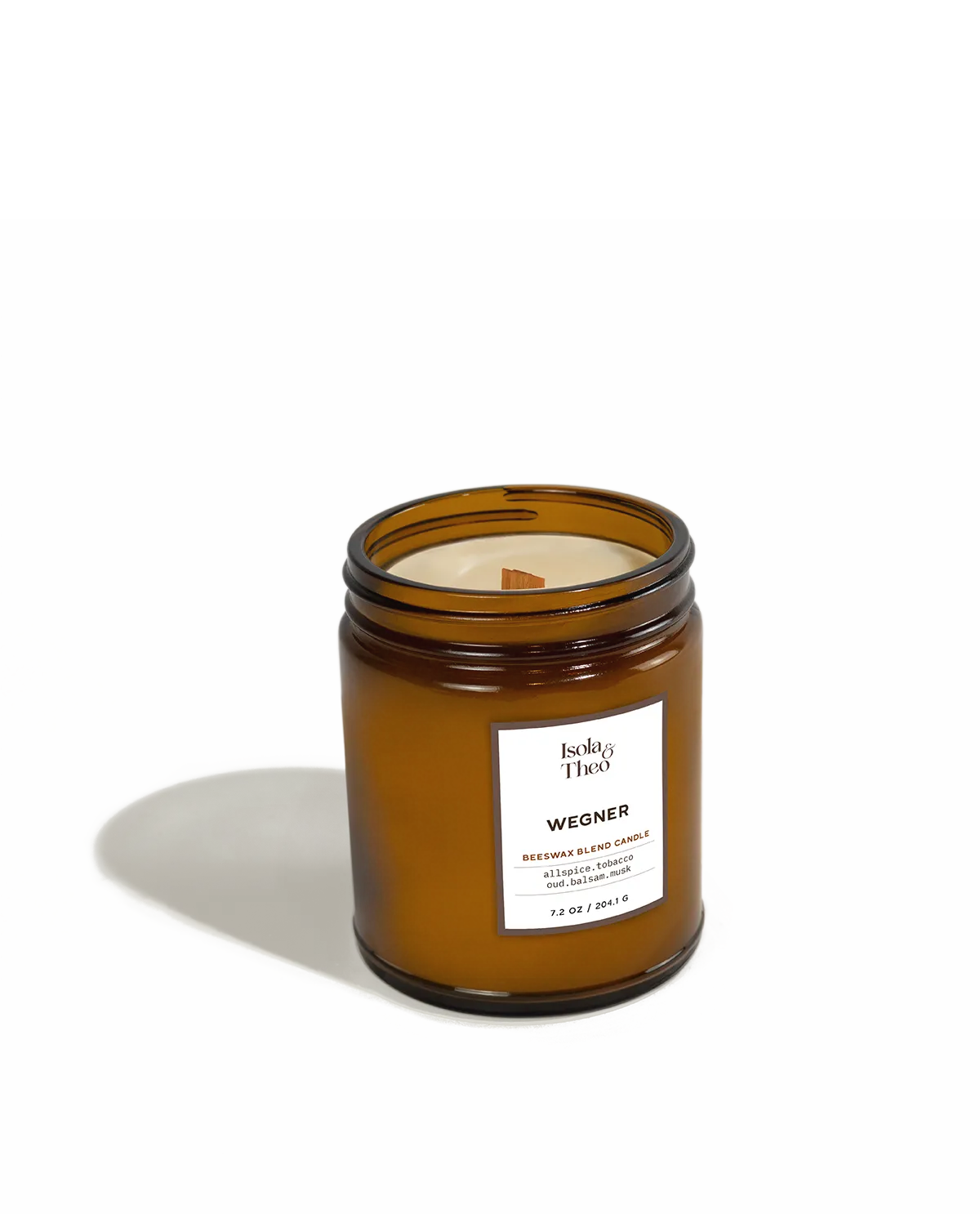
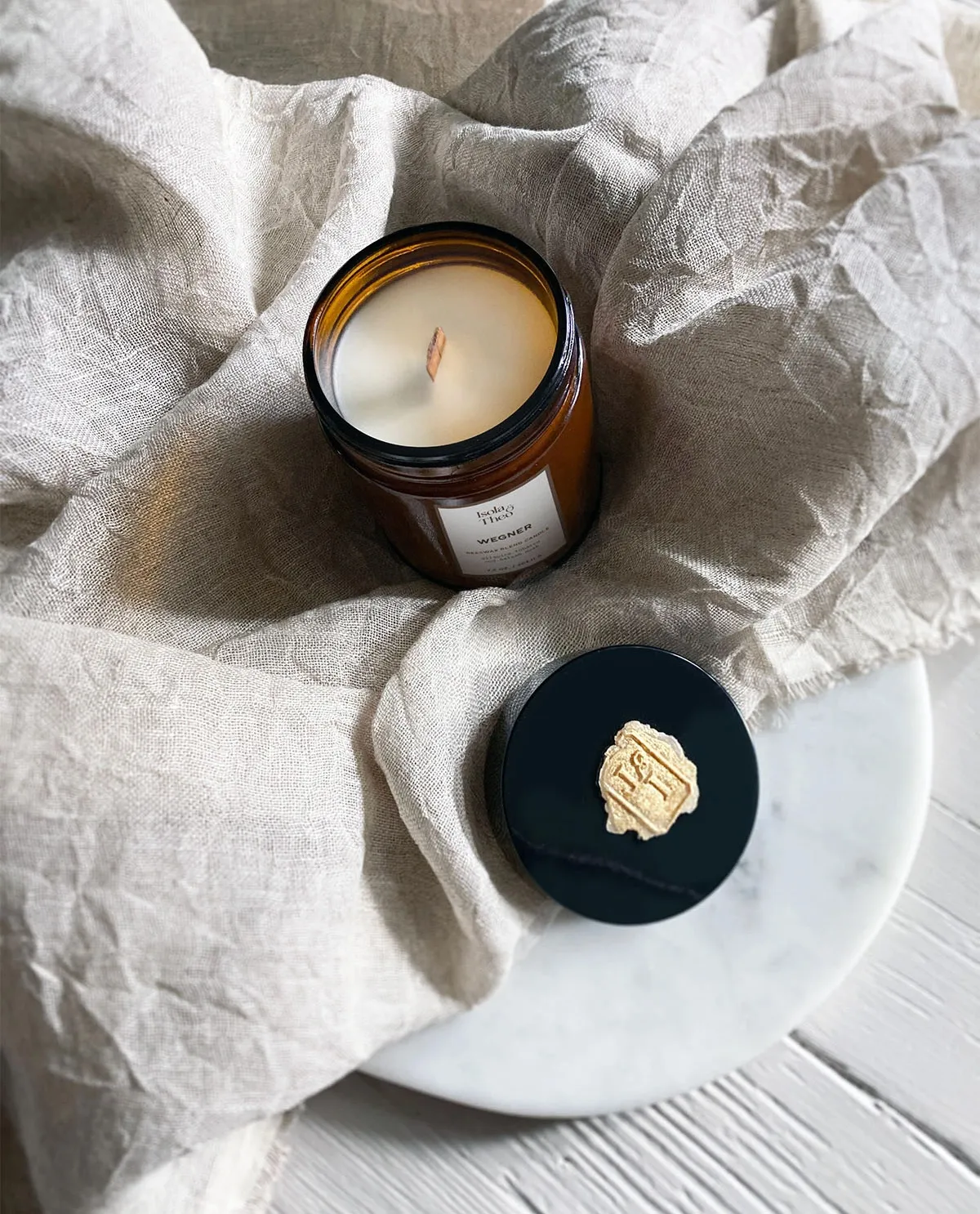
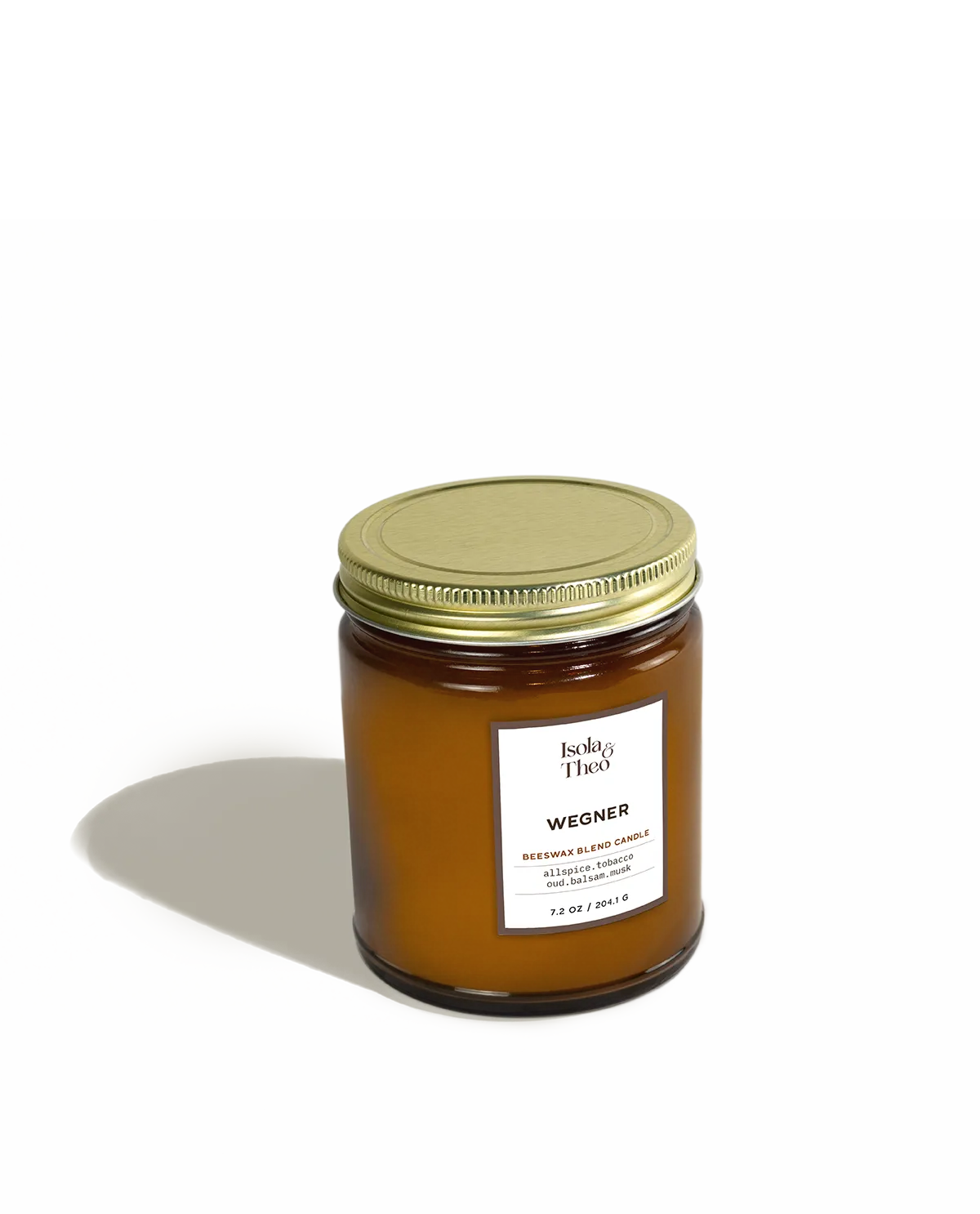
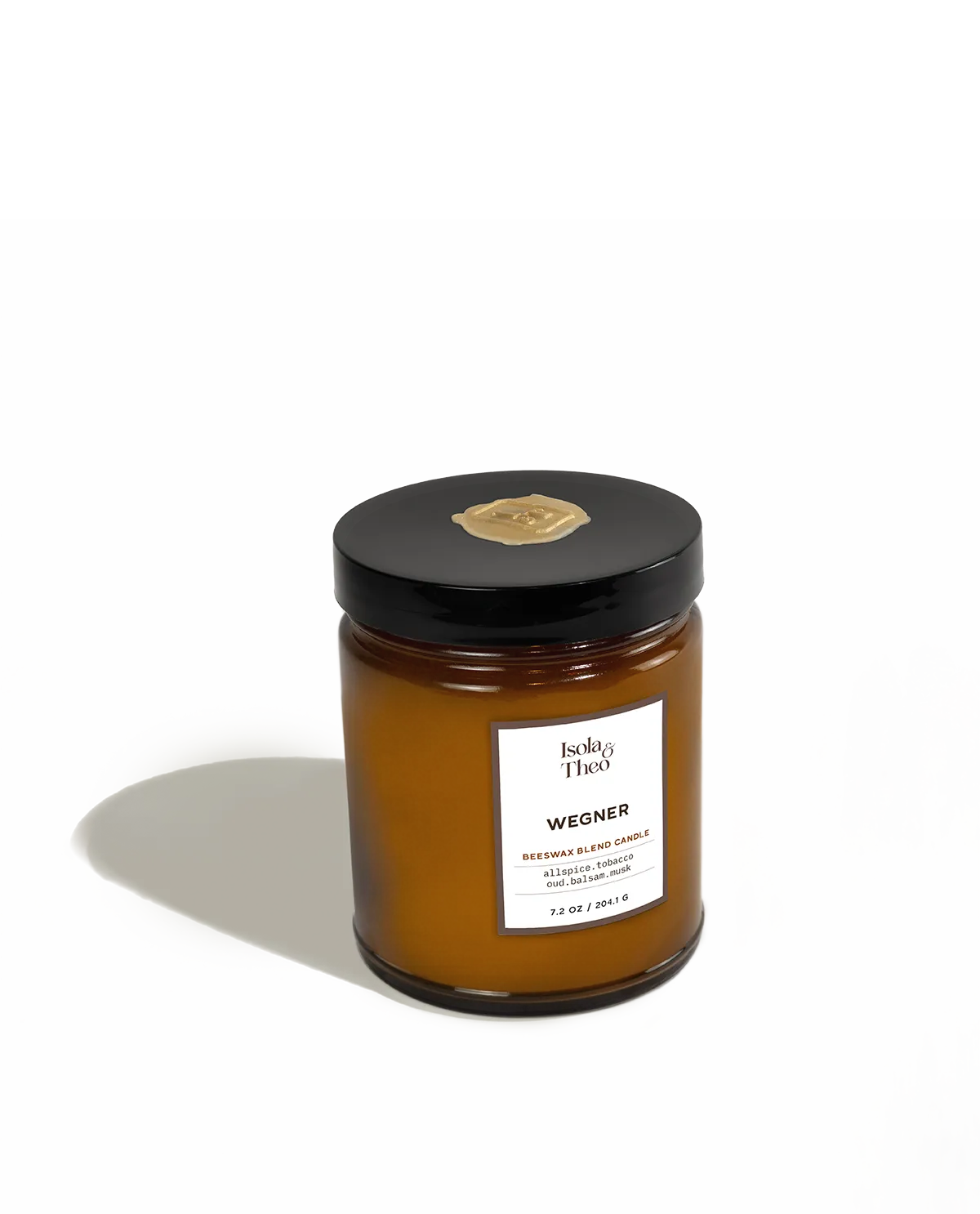
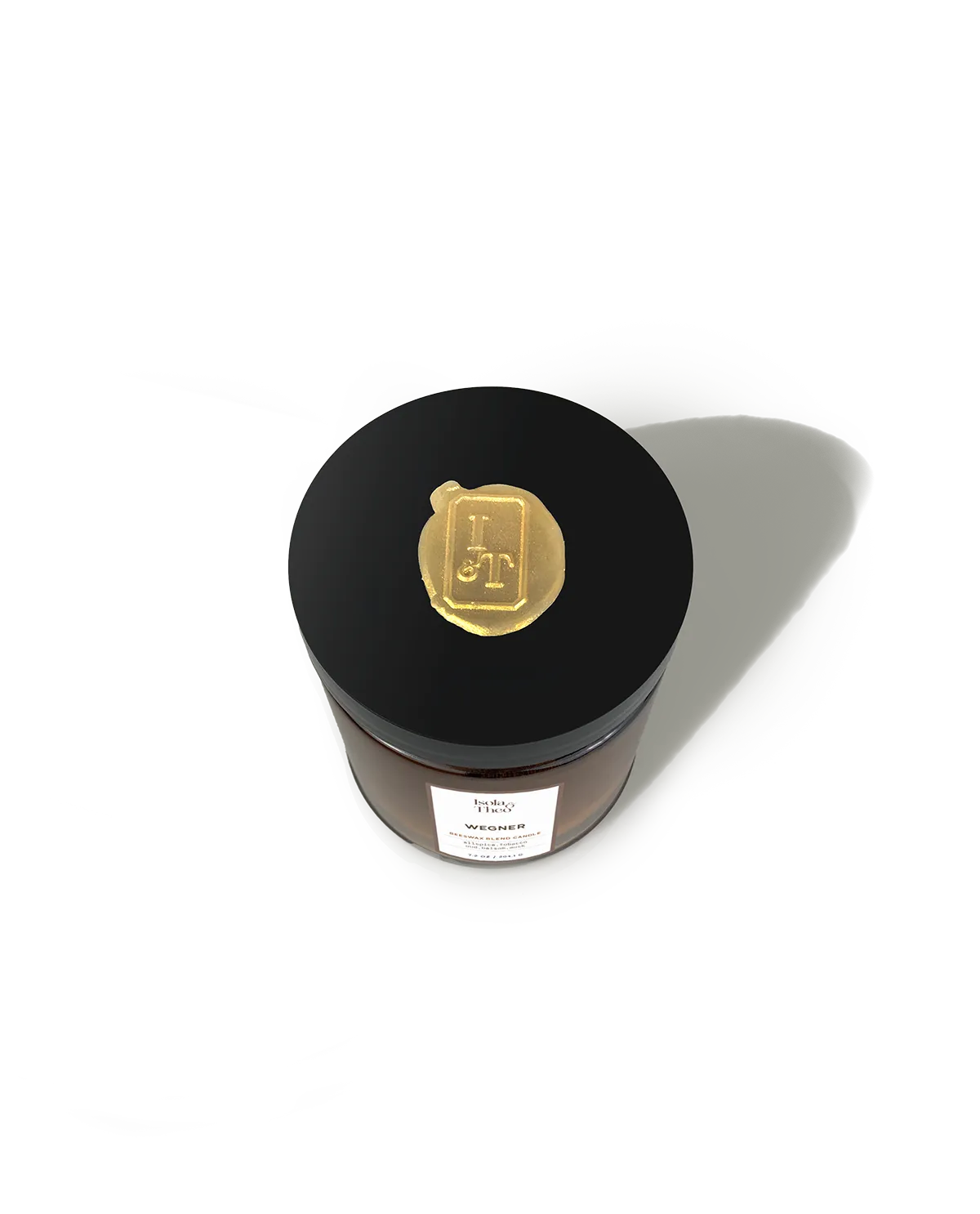
Wegner
Classic Candle
Home fragrance
$28
Woody / Resinous
Hans J. Wegner was instrumental not only in Danish furniture design, but inspire and transcend modern pieces for the home today. For lovers of woody profiles this candle beckons a seat for quiet contemplation — pared down, texturally sleek and exude warmth.
Notes: Top: mint, bitters, spice | Heart: warm vanilla, tonka, teak | Base: musk, patchouli
7.2 oz / 204.1 g
5 in stock
Keep away from drafts or leave unattended. Keep away from children and pets.
Do not burn candles while cleaning. Kitchen sprays may contain volatile and flammable compounds. Even some essential oil cleaners contain solvents and preservatives that are flammable.
Details
Impact Brief
Lifespan
Formulation
Danish warmth and simplicity A nod to the Master of Chairs
“A chair is to have no back side. It should be beautiful from all sides and angles.” Named in honor of Danish designer Hans Wegner, this profile transcends through living spaces. It should be atmospheric and not distracting.The warm embrace of teakwood and open, creamy heart notes of clove and vanilla reflect the softness to his work. Subtle top notes of mint contrast the liqueur bitters and base notes of musk and patchouli.
Details
Wooden wicks may take a little more effort on first light. Once there is some charring on the wood subsequent lightings are easier. Tilting the candle at an angle so the flame can reach across the width of the wick.
Light for 3-4 hours on the first burn. Beeswax burns more slowly and will not show a full melt pool as softer wax does. Wax “hang up” on the glass for the first few lights is expected and formulated with this in mind. Subsequent burns will catch up. This ensures less sooting, wild flame or hot glass when oxygen decreases lower in the jar. Max burn 3-4 hours at a time for a healthy burn.
Trim wick between burns when candle is solid. Trim by snapping at its natural point.
Keep wax as clean as possible which ensures a clean burn for health.
When ¾” remains at the bottom of the glass extinguish the flame. A safety feature has been designed into the wick clip to prevent overheating and it is harder to light again. By stopping just before this point for your last burn it will be easier to light until 1/2” remains. Remaining wax can be used as wax melts or discarded.
Impact Brief – Material Transparency
Wooden wicks
Our wicks come from upcycled wood from fruit trees that no longer bear. Burning trees in situ remains the traditional practice on farms today. Every bit of wood we can remove from this practice to offset carbon emissions and can provide something useful is a positive step.
All Wax
While we’d love to tout “all-natural” as many love to claim, with all waxes there is energy and resources used to produce a final product. Gas is used to till, harvest and transport. Solvents and large amounts of water are used for every plant-based wax.
Beeswax
Pure beeswax is all-natural and closest to the finished form than any other wax. We use pure triple filtered beeswax, that has not be chemically altered and comes from pesticide-free coop farms in the US. It is not imported where it is often bleached or mixed with paraffin to dilute and lessen the cost.
Soy
We use a 100% soy product, free from hardeners or other cosmetic additives to aid in a smooth appearance. It is considered a safe, clean burning wax where solvents are not used to process this material.
Coconut Oil
Unrefined coconut is used to maintain a balanced melting point and aid in scent projection. It is considered a safe, clean burning wax and has not gone through any solvent based extractions.
The Vegan Concern
Ask any small apiarist (beekeeper) and they love to tell you just how much they “love their girls”. As with any source of harvesting, knowing first and foremost that plants or animal products are sourced responsibly is of the utmost importance. Beeswax is also the healthiest wax because the chemical structure is not altered. The footprint of beekeeping farms compared to monoculture farms do not hold a candle to the impact bees have or require. The greatest threat is that of habitat loss and the decline in insects of all kinds. The truth is, without pollinators (and we’re very partial to the native bees at Satis Garden), we would not have food without them. From the daytime pollinators too many to name, to our precious nighttime moths and beetles which generally go unappreciated, they are vastly important to the collective food chain and it must hold the line. If honey bees, (which are not native), remain the darlings for all pollinators to raise awareness and promote research, we are wholly behind them and those that care for them. Supporting small businesses that care about their bees and harvest humanely as ours do, does far more to promote the cause than striking them out entirely. It is a conscious choice. Delicately, we would like to point out that by getting around not using animal products, vegan marketed products often swing in the other direction entirely, where biodegradability is not considered and do more harm to our ecosystem. It is why this section is so important. Every ingredient must be weighed. Reducing pesticides, supporting native, keystone species to encourage rewilding our yards and buying only what you need are ways everyone can make an active impact.
Lifespan
Average 50 burn hours
Formulation
Nature first approach
It’s quite simple, if an ingredient is healthy for the environment chances are it’s good for us.